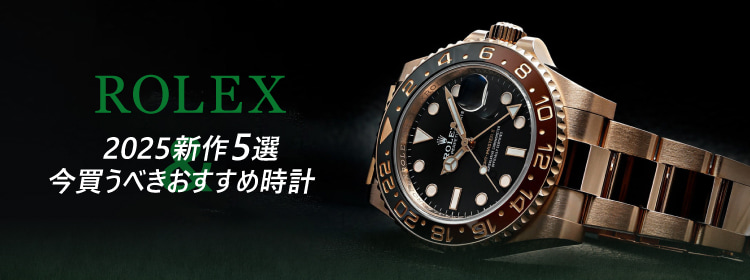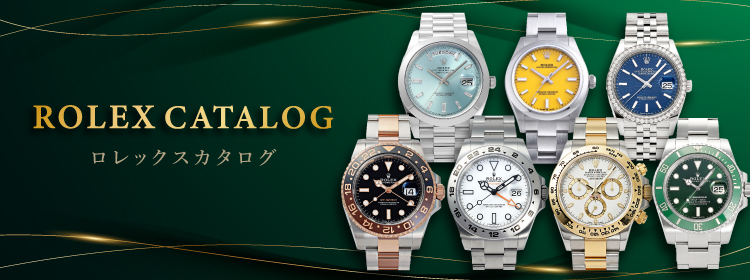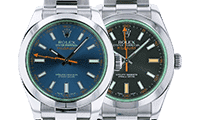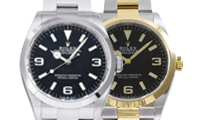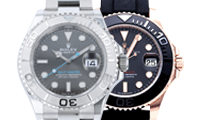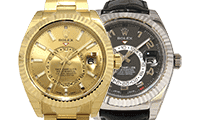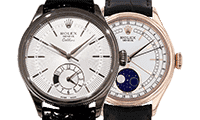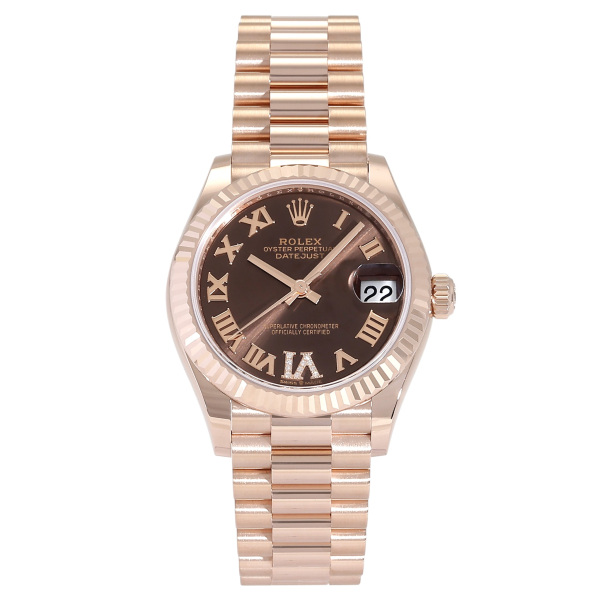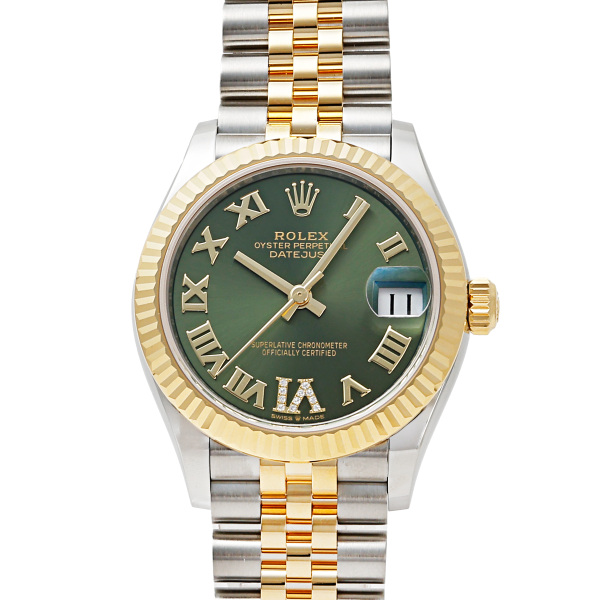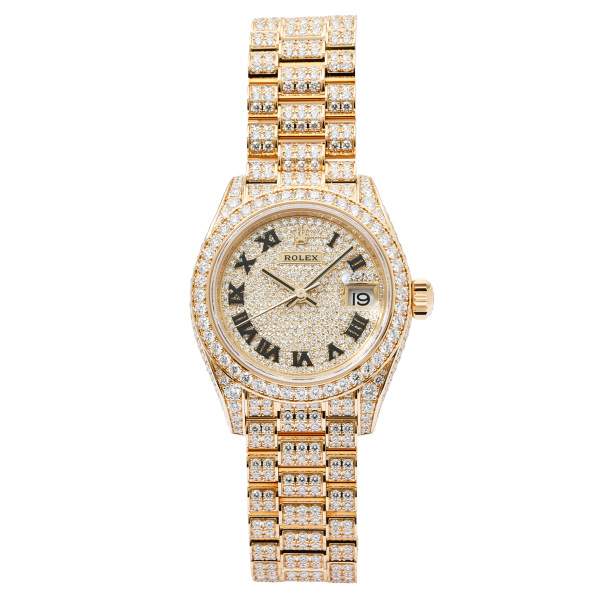
Rolex is a Swiss watch manufacturer founded in 1905 by its founder Hans Wilsdorf as a watch specialist trading company in London.
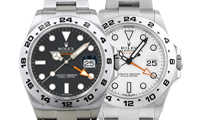
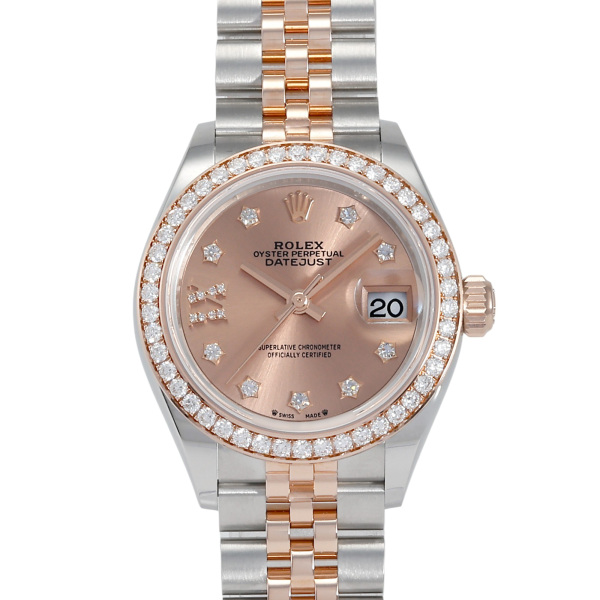
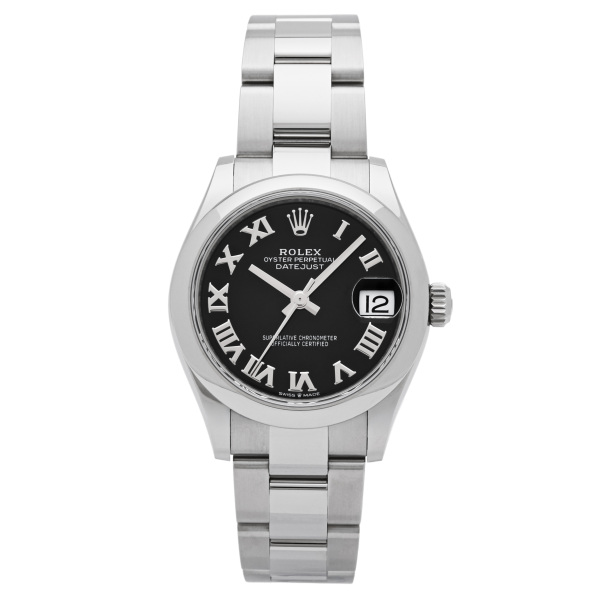
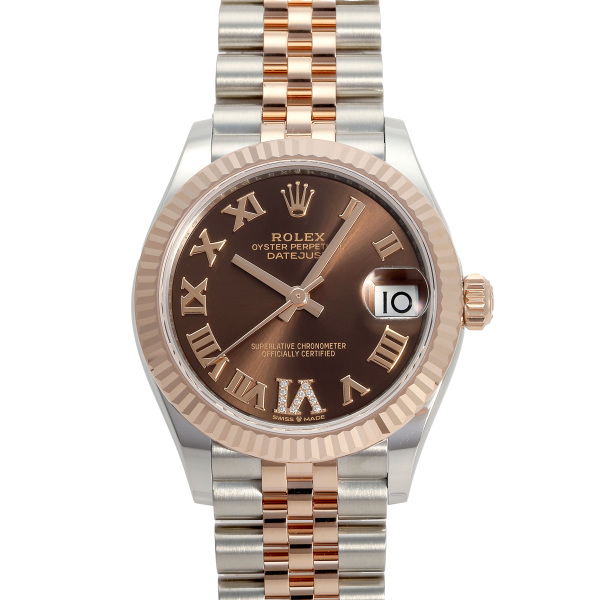
One morning in 1908, he had an idea for the brand name "Rolex," which later became the name Rolex. Later, in 1910, Rolex watches became the first wristwatches to receive an official chronometer certificate from the Swiss Official Chronometer Testing Institute, establishing their reliability. In the 1920s, Rolex patented the "Oyster case," a signature feature still used today. In the 1930s, the company released the "Prince" and "Bubbleback," both of which are popular in the antique watch market. In 1945, at a party celebrating Rolex's 40th anniversary, the company unveiled the "Datejust" mechanism. This automatic mechanism, which instantly changes the date at around midnight, was named the "Perpetual Mechanism" and is known as the origin of modern automatic winding mechanisms. Rolex subsequently released a series of flagship models, including the "Explorer," "GMT-Master," "Submariner," "Milgauss," and "Daytona."
Popular Rolex models
Rolex has produced a variety of models over the past 100 years, and among them, the sports models are models that express a design that strongly reflects a sporty taste and a luxurious atmosphere in a wide variety of ways.
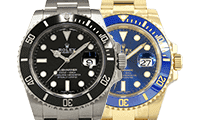
Submariner
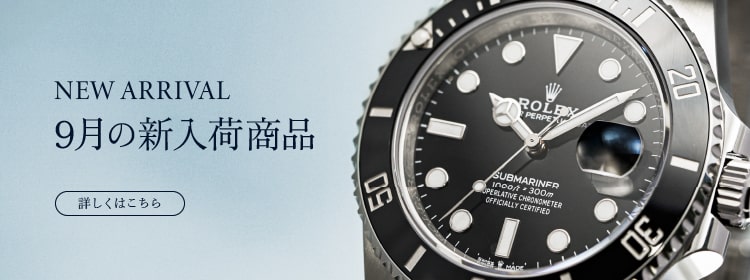
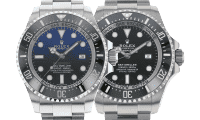
The Submariner was the world's first diver's watch, released in 1953. It established its basic design as a diver's watch and has continued to evolve over the years, becoming a model synonymous with diver's watches. It is also characterized by its wide variety of variations in the coloring of the dial, bezel, and inscriptions on the dial. Furthermore, compared to other sports models, there are many extremely rare Rolex models, so many people collect them.
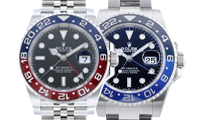
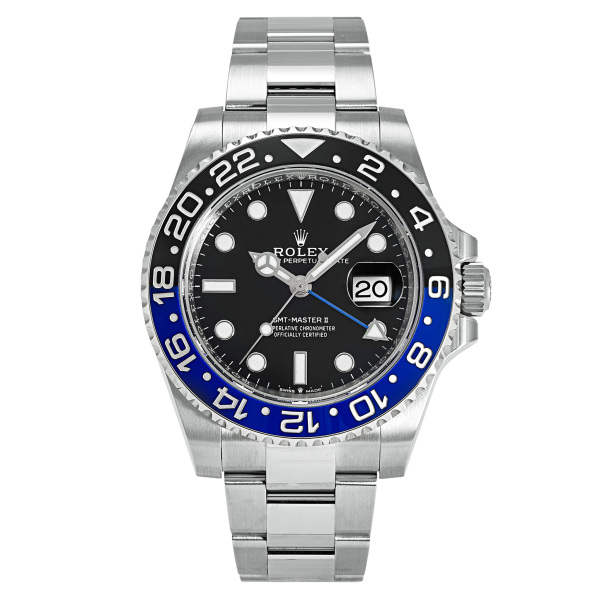
GMT-Master
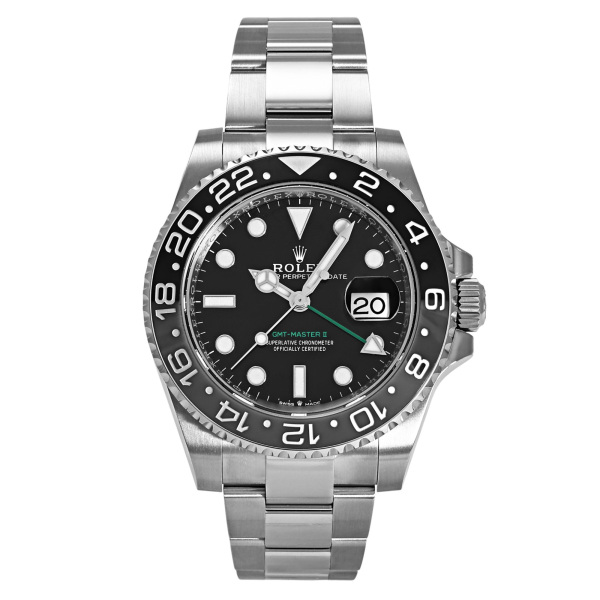
The GMT-Master, featuring a distinctive two-tone bezel, was introduced in 1955 and designed to simultaneously display the time in two different time zones. Originally developed as a pilot's watch for navigating the globe, it was also adopted as the official watch of Pan American World Airways, America's most famous airline at the time. In 1982, the GMT-Master II, equipped with a new movement and featuring improved usability, was released as the successor to the original model. Its ruggedness, functional beauty, and instantly recognizable, fashionable design captivated many globetrotters.
Yacht-Master
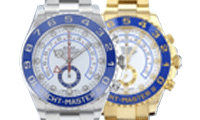
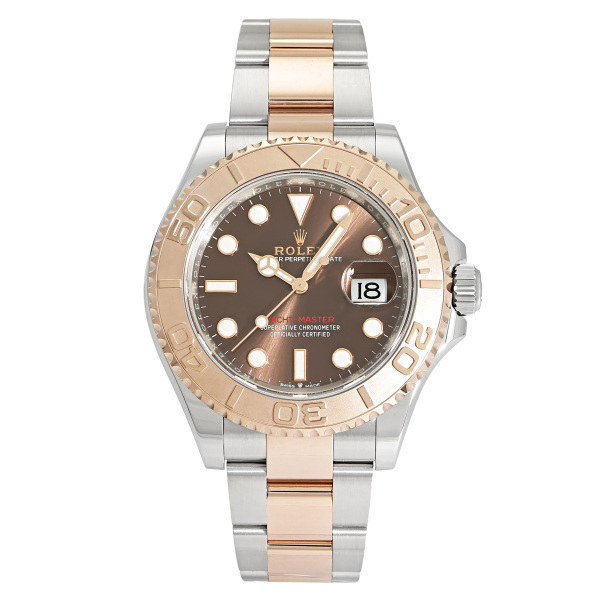
The Yacht-Master, which represents the world of the sea, was born from the rich heritage of Rolex's special bond with the sailing world since the 1950s. Although it is less waterproof than a diver's watch, the Yacht-Master, which combines luxury and functional beauty, is a luxury watch that can be used as a marine watch for yachts, beaches, and other occasions.
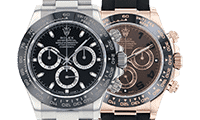
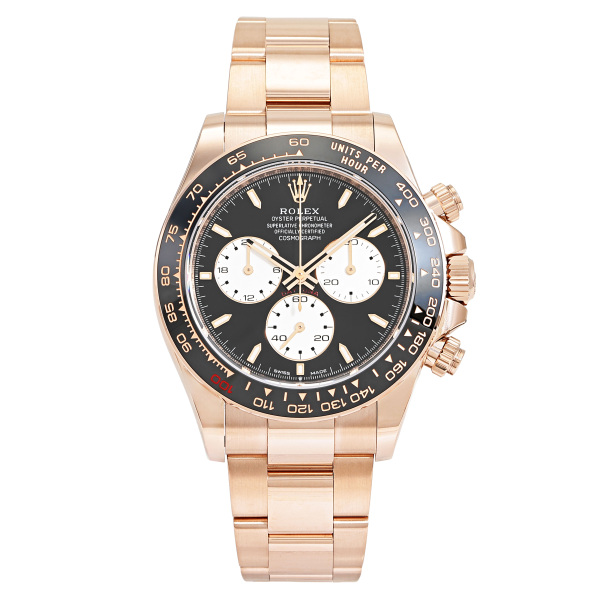
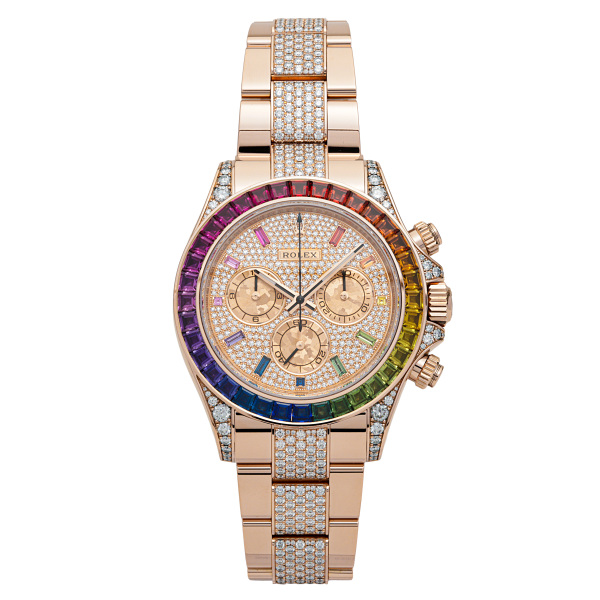
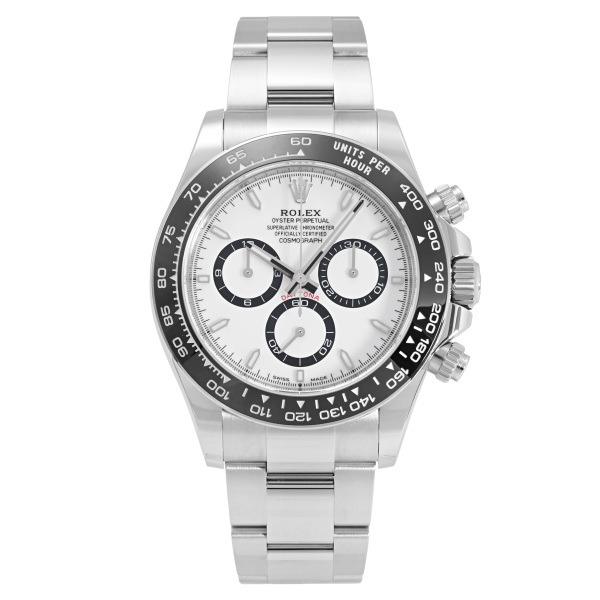
Cosmograph Daytona
The Daytona is Rolex's flagship model. The Cosmograph Daytona was designed in 1963 to meet the needs of professional racers. Since its release, it has consistently been a top-selling model. Its close ties to the world of motor racing allow drivers to measure elapsed time and read their average speed on the trademark tachymeter bezel. Equipped with the caliber 4130, released in 2000, it has dominated the sports chronograph market ever since its inception. The uniqueness of its dials is another defining feature. Another appealing feature is the adventurous and diverse models released, featuring minerals such as sodalite and meteorite, as well as eye-catching leopard prints.
How to distinguish between real and fake products
First of all, there is an absolute difference between a watch made by a first-class craftsman and one made by a second-rate or lower craftsman. If it is made by a first-class craftsman, it will be made with meticulous attention to detail, not only in appearance and function, but also in feel and other aspects. On the other hand, fakes, or so-called "copies," are made by second-rate or lower craftsmen and have a stale finish. Luxury watches are valuable because they are made by first-class craftsmen. Genuine watches have a delicacy and elegance that cannot be achieved through mass production, such as the smoothness of the engravings and the way the luminous paint is applied. However, this is very difficult to tell the difference to the untrained eye, and they are made with great skill.
For this reason, Rolex has implemented several mechanisms to help distinguish between genuine and fake watches. To tell the difference, if the model is from 2000 onwards, there is a roulette engraving on the inside side of the case and a watermark in the crown mark at 6 o'clock. This is so faint that it can only be seen by looking closely with a magnifying glass from the side. Another sign of a genuine Rolex is that the Rolex watch's serial number is engraved in the watermark. When purchasing, it is important to choose a shop you can trust.